

travel · 2 min read
Whale Watching and Diving in Sri Lanka
Blue whales off the south coast, wrecks off Trincomalee, and reef diving that never quite recovered from the 2004 tsunami and decades of dynamite fishing. What's actually worth doing, and where.
· Mirissa
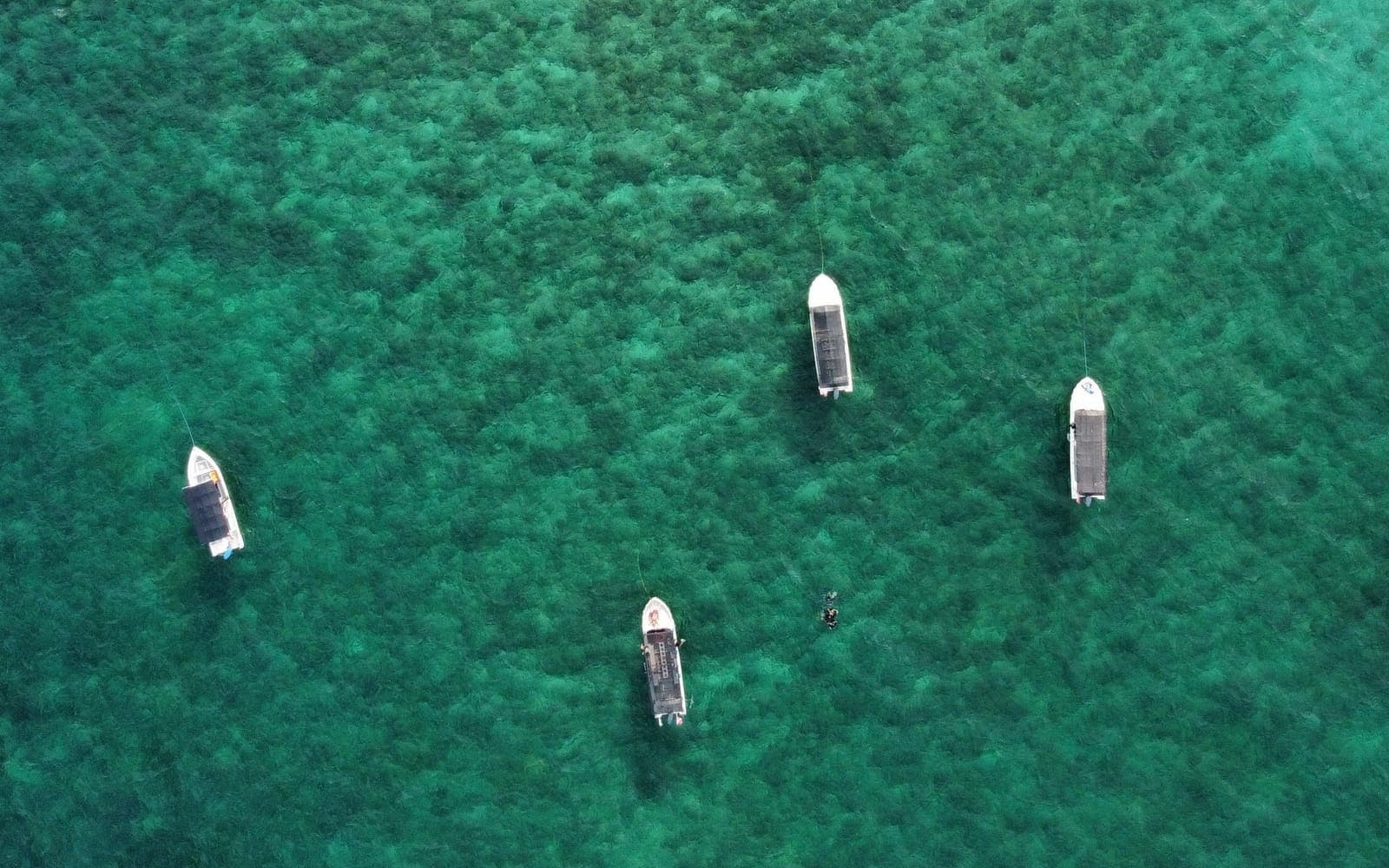
Sri Lanka sits close to a deep continental shelf on its south coast, which is the reason it has become one of the more reliable places in the world to see blue whales from a small boat rather than a specialist expedition vessel.
Whale watching
Mirissa is the main base, with boats also running from Trincomalee on the east coast in its own season. The continental shelf drops away close to shore here, bringing deep-water whales — blue whales, the largest animals ever to have lived, along with sperm whales and various dolphin species — within a few hours' boat ride of the coast.
- South coast (Mirissa): roughly November to April.
- East coast (Trincomalee): roughly May to September — the opposite window, following the same monsoon split that governs the beaches.
Boat quality varies a great deal, and this is worth caring about beyond comfort: reputable operators keep a respectful distance from the animals and don't crowd or chase them, while the worst don't. Choosing an operator that follows a responsible-distance code is a genuine welfare issue for the whales, not just a nicety, and it's worth asking directly before booking rather than assuming.
Diving and snorkelling
Reef diving in Sri Lanka is real but should be approached with realistic expectations set against the Maldives or the Red Sea — much of the island's reef was damaged by decades of dynamite fishing and coral mining before either was seriously enforced against, and the 2004 Indian Ocean tsunami caused further damage to shallow reef systems along the south and east coasts. Recovery has been real but slow and patchy.
What's genuinely worth diving for:
- Wrecks off Trincomalee and Batticaloa, including vessels lost in the Second World War, are the strongest diving on the island, with good visibility and structure that's grown its own reef life over the decades.
- Hikkaduwa's reef, on the south coast, is the most accessible for snorkelling straight off the beach, though it shows the visible wear of heavy visitor traffic.
- Pigeon Island, off Nilaveli near Trincomalee, is a marine national park with genuinely healthy shallow reef and is one of the more reliable places to see reef sharks in shallow water.
Practical notes
Diving is seasonal in the same way beaches are — the east coast dive season runs opposite the south and west, so plan around whichever coast you're visiting rather than assuming diving is a year-round default anywhere on the island. Certified dive operators are concentrated in Hikkaduwa, Trincomalee/Nilaveli and, to a lesser extent, Kalpitiya on the northwest coast, which is also one of the island's kitesurfing centres.