

guides · 4 min read
How to Support Local Businesses While Travelling Sri Lanka
A practical guide to keeping more of your travel spending in Sri Lankan communities—without turning every purchase into a performance of 'responsible tourism'.
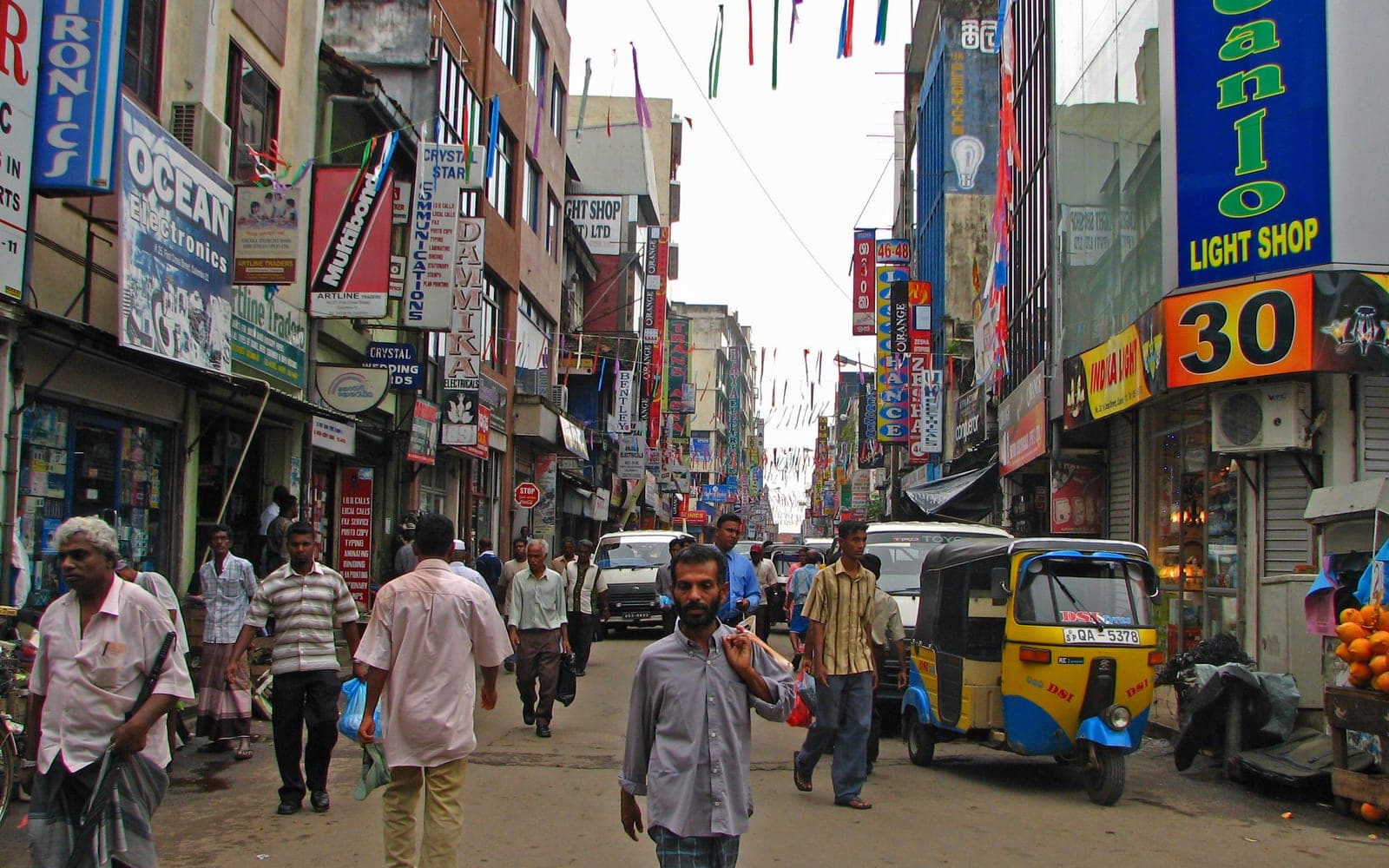
"Support local" sounds simple until you try to see where your money actually goes. A hotel can use a Sri Lankan name while sending its profits elsewhere. A souvenir can be sold in a village but manufactured abroad. A tour described as community-based may employ the community only as scenery.
The answer is not to interrogate every shopkeeper. It is to make a few better choices repeatedly: book closer to the person providing the service, ask useful questions, pay fair prices, and behave in a way that does not leave residents carrying the environmental or social cost of your holiday.
Book closer to the people doing the work
Direct bookings with a locally run guest house, guide, driver, cook or activity provider usually leave more value in the destination. Platforms can still be useful for discovery and payment protection, but once you find a business, look at who owns and operates it, who answers the messages and who will actually deliver the experience.
For regulated activities, "local" is not a substitute for safe or legal. Check registration, insurance, qualifications and equipment where they matter—especially for diving, wildlife trips, vehicle rental and professional guiding. Supporting a small operator should never mean accepting avoidable risk.
Use homestays for what they are meant to be
Sri Lanka's official homestay programme is designed around community participation and a first-hand experience of local life. A good homestay is not a cheap hotel with family photographs in the lobby. It is a hosted environment with boundaries, routines and mutual exchange.
Tell hosts about dietary needs early, ask before using private family spaces, and do not assume that every conversation or cooking session is included for free. If a host spends extra time teaching, guiding or arranging transport, ask what it costs and pay it as work.
Buy useful things, not a story
Markets and independent shops are excellent places to buy spices, food, textiles, household goods and locally made gifts. Ask where an item was made and what material it uses. A clear, ordinary answer is more trustworthy than an elaborate claim that everything is ancient, handmade and unique.
Bargaining depends on the setting. It is normal in some markets and inappropriate in fixed-price shops, pharmacies, supermarkets and many food businesses. If negotiation is expected, keep it proportionate. Winning a long argument over an amount you would not notice at home is not cultural immersion.
Eat beyond the obvious strip
Locally run restaurants, bakeries, tea shops and market stalls spread tourism income more widely than eating every meal inside a large hotel. Follow basic judgement: steady local customers, clean preparation areas, food served hot and safe drinking water matter more than whether a place looks polished.
Order regional dishes and accept that a small kitchen may sell out. If you have allergies, communicate them clearly; "not spicy" and "contains no chilli" are not the same request, and neither automatically covers coconut, dried fish, peanuts or cross-contamination.
Treat people as people, not content
Ask before making a person the subject of a photograph. This matters especially for children, worshippers, workers and people in rural communities. Buying something does not purchase a portrait, and a public place does not erase someone's right to decline.
Avoid tours that turn poverty, post-war communities, orphanages or working villages into spectacle. A responsible community visit should have a clear local host, consent, a useful economic relationship and limits on where visitors go and what they photograph.
Keep environmental costs out of the community
Carry a refillable bottle where safe refills are available, refuse unnecessary bags, and do not leave hotel waste in a village bin that has no reliable collection. On beaches and reefs, follow local conservation rules even when another visitor ignores them. With wildlife, distance is more valuable than a close photograph.
Sri Lanka's tourism authority identifies environmental protection, local culture, skilled employment and community income as connected parts of sustainable tourism—not separate marketing labels. Its sustainable tourism guidance is a useful standard against which to judge claims.
Leave reviews that help a good business improve
A useful review names the service, date, what was done well and what future customers should know. Avoid punishing a small business for weather, public transport or a misunderstanding you never raised. If there was a genuine safety or honesty problem, describe facts rather than insults.
Positive reviews matter too. Mention the guide who explained a place well, the host who handled an allergy carefully or the shop that clearly identified local work. Specific praise is more credible and more useful than "amazing people, five stars".
Use CeylonFind as a starting point
CeylonFind brings Sri Lankan stays, experiences, services and businesses into one searchable place. Compare clear listings, message providers with specific questions and verify details before paying. A marketplace can make local operators easier to find; thoughtful travellers still have to choose well.
The practical test is simple: after your visit, did local people receive fair income, retain control over the experience and avoid carrying the waste, risk or intrusion? If the answer is yes, "support local" has become more than a caption.