travel · 3 min read
Sri Lanka's Best Beaches, Coast by Coast
Sri Lanka has three coasts, and the monsoon means only one of them is having good weather at any given time. Here's what each stretch is actually like, and when to go.
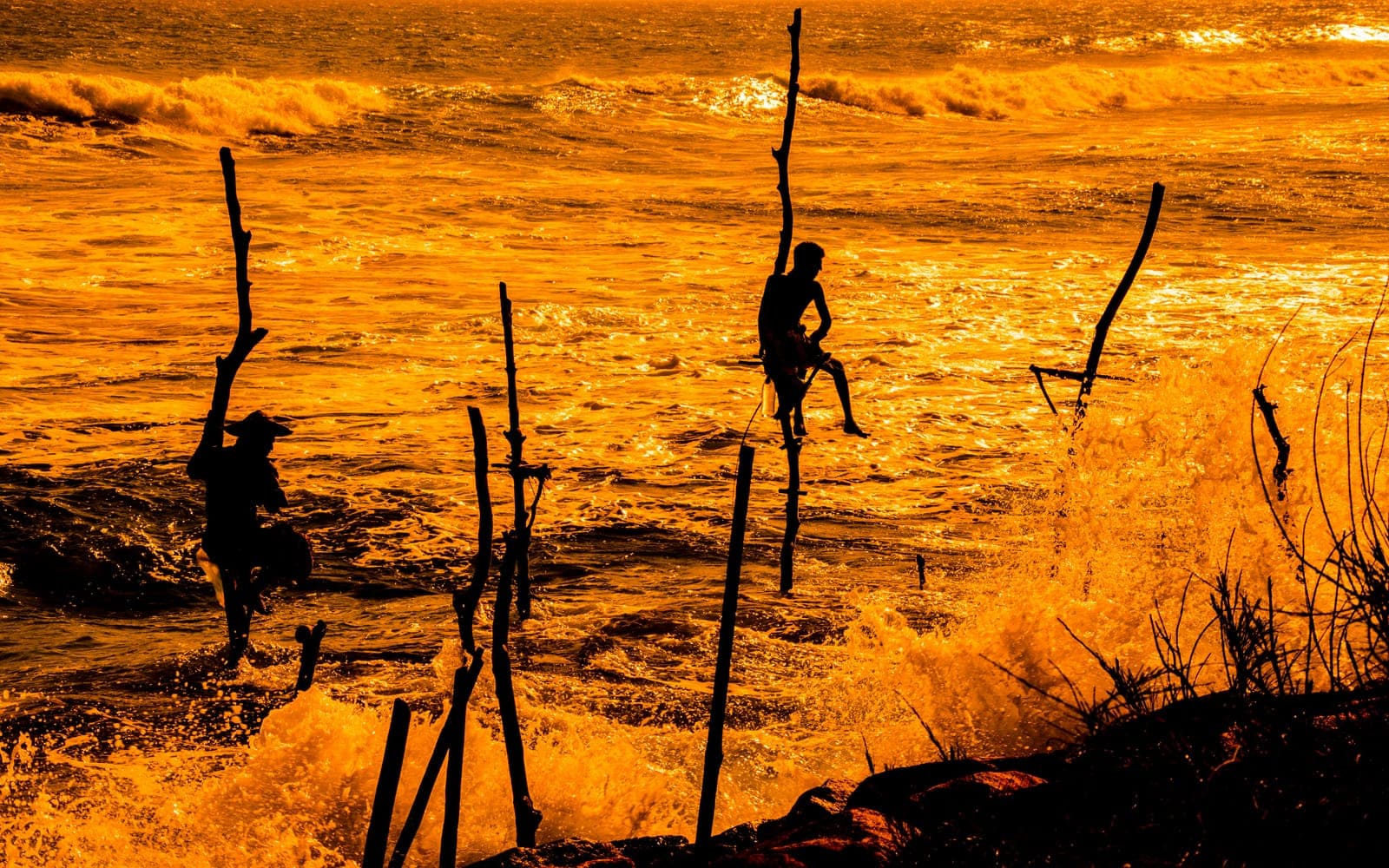
Sri Lanka is a small island with a full coastline, and the single most important thing to understand about its beaches is that the monsoon splits them in two. The southwest monsoon (roughly May to September) brings rain and rough seas to the south and west coasts; the northeast monsoon (roughly December to February) does the same to the east coast. There is no single "best month" for the island's beaches as a whole — there's a best month for whichever coast you're on.
The south coast — the most visited
Running from Bentota down to Tangalle, this is the coast most first-time visitors see, largely because it's close to Colombo and the international airport.
- Bentota and Induruwa are calmer, more resort-oriented beaches, good for swimming and popular with families.
- Hikkaduwa built its reputation on coral reef snorkelling and a livelier backpacker scene; the reef has been under real pressure for decades from both bleaching and boat traffic.
- Unawatuna, just past Galle, is a sheltered curved bay that's one of the easiest places on the island to swim.
- Mirissa is the base for whale-watching trips and has a lively but still small-scale beach town feel.
- Tangalle is quieter and less developed, with a mix of surf beaches and sheltered coves further along.
Best conditions here run roughly December to April.
The west coast — closest to Colombo
Negombo, a short drive from the airport, is many visitors' first or last night rather than a destination in itself, though its own fishing-village character and lagoon are worth a look if you're already there. It shares the south coast's weather window.
The east coast — quieter, drier season is the opposite
Trincomalee and Arugam Bay are the main draws. Trincomalee has a large natural harbour and calm, clear water good for swimming and diving; Arugam Bay is the island's best-known surf town, with a wave that draws a dedicated international surf crowd. Both are at their best roughly May to September — exactly when the south coast is at its wettest, which is why experienced visitors sometimes plan a south-then-east loop timed around the swap.
What actually varies beach to beach
Beyond the seasonal split, individual beaches differ in ways worth checking before you commit a few days: some have a serious undertow and are not safe for casual swimming even when they look calm (ask locally — lifeguards are not universal), some are working fishing beaches with boats and nets rather than swimming beaches, and reef versus open sand changes what snorkelling gear is worth bringing.
A note on turtles
Several south-coast beaches, including stretches near Kosgoda and Rekawa, are nesting sites for sea turtles, and there are hatchery and conservation projects along this coast of very mixed quality — some are genuine rehabilitation operations, others keep hatchlings in tanks purely as a tourist draw, which harms the turtles' survival odds after release. If seeing turtles matters to you, it's worth asking specifically how a project releases hatchlings before paying an entry fee.