
travel · 3 min read
Sri Lanka Practicalities: Visa, Money and Staying Connected
The non-scenic part of planning a trip — entry requirements, how money actually works day to day, and getting a working SIM at the airport. What to sort before you land, and what can wait.
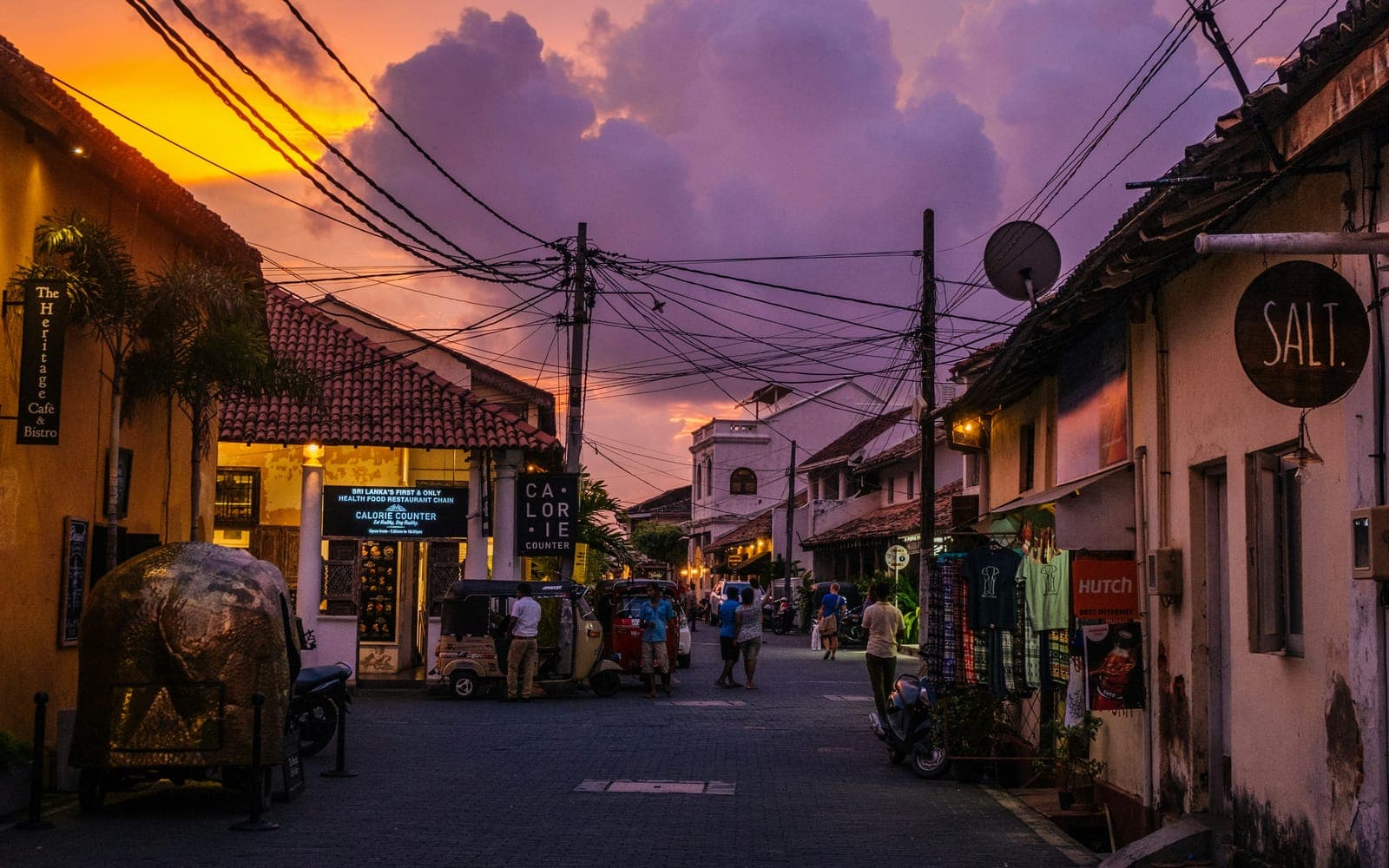
The romantic parts of planning a Sri Lanka trip are the beaches and the ancient cities. This is the other half — the logistics that are easy to get wrong on a first visit and tedious to fix once you're there.
Entry requirements
Most nationalities need an electronic travel authorisation arranged before arrival rather than a visa issued on the spot — apply through the official government portal well ahead of travel, since the requirement and the approved list of nationalities has changed more than once in recent years and is exactly the kind of detail worth confirming close to your travel date rather than trusting an old blog post. Have your accommodation details and an onward or return ticket ready, as both are commonly requested during the application.
Money
Sri Lanka runs on the Sri Lankan rupee, and while card acceptance has grown substantially in hotels, larger restaurants and shops in cities and tourist areas, cash is still the practical default for tuk-tuks, small guesthouses, local food stalls and most transactions outside major towns. ATMs are widely available in cities and larger towns and are generally the best exchange rate you'll get; airport currency counters and hotel exchange desks tend to charge more for convenience. Carrying a mix of an internationally-fee-free card for ATM withdrawals and some cash reserve for rural areas is the standard sensible approach. Tipping is not deeply traditional but has become widely expected in the tourism industry — for drivers, guides and hotel staff specifically — at a modest and discretionary level.
SIM cards and connectivity
Buying a local SIM at the airport on arrival is straightforward, cheap relative to international roaming, and by far the easiest way to have working data and maps immediately. The main operators run counters in the arrivals hall; bring your passport, since registration is required by law. Coverage is good across the coast and hill country and weaker in some more remote rural and northern areas. If you're only staying a short time or don't want the hassle, an eSIM arranged before departure is an increasingly common alternative.
Language
Sinhala and Tamil are the official languages, and English is widely spoken in tourism, business and among younger people in cities, less so in rural areas — enough that getting by on English alone is realistic for most visitors, but a handful of Sinhala or Tamil courtesy phrases (a greeting, "thank you") go further here than in many tourist destinations, precisely because visitors so rarely bother.
What can genuinely wait until you land
Local SIM cards, most day-to-day cash, and booking specific in-country transport or guides beyond your first night or two are all easy to sort on arrival or once you're moving. The things worth locking down before you fly are the ones with a hard deadline or approval step: the travel authorisation, your first night's accommodation, and travel insurance that actually covers the activities you're planning — hill hikes, diving, and self-drive scooters are the ones most commonly excluded by a generic policy and worth checking specifically.