

business · 3 min read
How to Make a Local Business Easier to Find Online in Sri Lanka
The practical information customers need before they call, visit or ask for directions—and how to keep it consistent across the web.
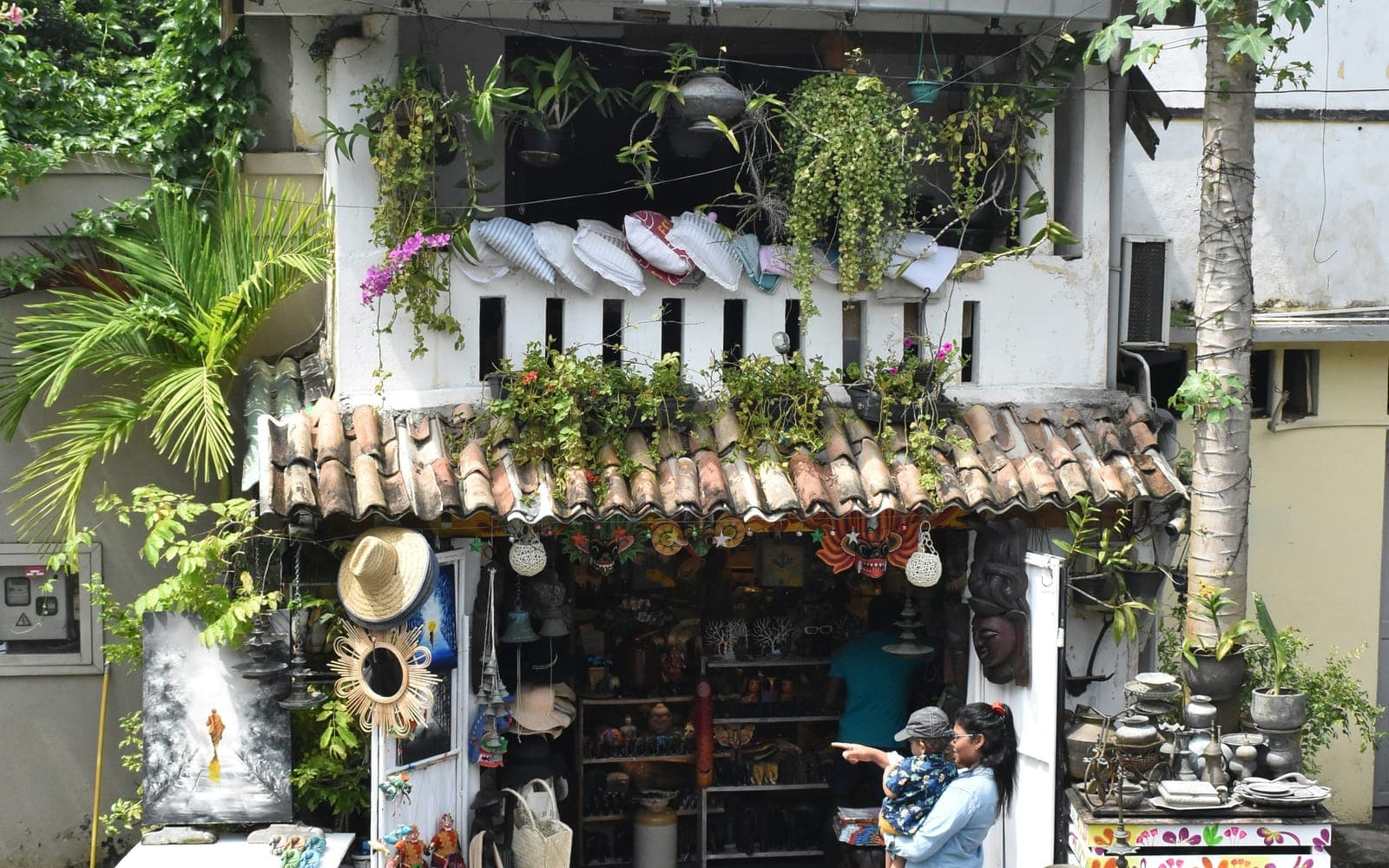
A customer searching for a nearby business usually wants to complete a task: confirm that you provide the service, see where you are, know whether you are open, and decide whether contacting you is worth the trip. A beautiful page that cannot answer those questions is weaker than a plain, accurate one.
Keep the identity consistent
Use the same business name, phone number and address everywhere you control them. Small differences such as an old mobile number, two spellings or a branch address used as the main address make customers wonder which result is current.
Choose one public version of:
- Business name
- Primary category
- Address and map position
- Phone and messaging contact
- Website or social profile
- Opening hours
When something changes, update the important profiles together rather than fixing whichever one somebody complained about.
Choose the category customers would choose
A category is not a list of every service you might perform. It is the shortest accurate answer to “What kind of place is this?”
Choose the most specific primary category that describes the core business, then explain secondary services in the description. A mobile-phone repair shop hidden under “Shopping” is harder to find than one listed under phone or computer repair.
Browse the CeylonFind business directory to see how customers move from category to listing.
Put the map pin on the entrance
A street address can be correct while the map pin sends somebody to the rear wall, the wrong carriageway or another branch. Check the pin from a customer's perspective and add a short landmark or access note when the entrance is not obvious.
For a service-area business without a shopfront, state the towns or districts you cover instead of pretending customers can visit an office that is not open to them.
Publish useful hours
“Open” should mean a customer can receive the advertised service. If the kitchen closes before the restaurant, the workshop stops accepting jobs before the gate closes, or a doctor is present only on certain days, say so.
Update special closures and holiday hours. An accurate closed status earns more trust than sending a customer across town to a locked door.
Use photographs as evidence
Real photographs answer questions text cannot:
- The exterior and entrance
- Interior or customer area
- Products, menu or equipment
- The team, where appropriate and with consent
- Parking, accessibility or delivery vehicles
- Completed work that genuinely belongs to the business
Avoid generic stock photography. A photograph of an unrelated restaurant, hotel room or repair job makes a named business look better for a moment and less trustworthy when the customer arrives.
Write the description around decisions
Replace “best quality and excellent service” with facts:
- What you sell or do
- Brands, cuisines or specialities
- Areas served
- Appointment or walk-in policy
- Delivery, parking or accessibility
- Payment methods
- Languages used with customers
- Who the service is for
Specific information naturally contains the words customers search for; repeating a town and category unnaturally does not make the page more useful.
Make contact easy, then answer
Publish one channel you monitor reliably rather than five neglected ones. Set expectations when replies are not immediate. If customers repeatedly ask the same question, add the answer to the listing.
Response quality becomes part of the business's online reputation even when the conversation is private.
Claim and maintain the listing
If CeylonFind already contains a public-record entry for your business, use the claim option instead of creating a duplicate. Claiming lets the real operator replace sparse public facts with accurate details and real photographs.
If there is no entry, list the business free. Review it every few months and whenever the address, number, hours or service changes.
Being easier to find is not a one-time marketing campaign. It is the accumulated effect of accurate information wherever a customer checks.