

property · 4 min read
Where to Live in Colombo: A Neighbourhood Guide for Renters
A practical comparison of central Colombo and the surrounding residential areas, based on commute, housing style, walkability and daily life.
· Colombo
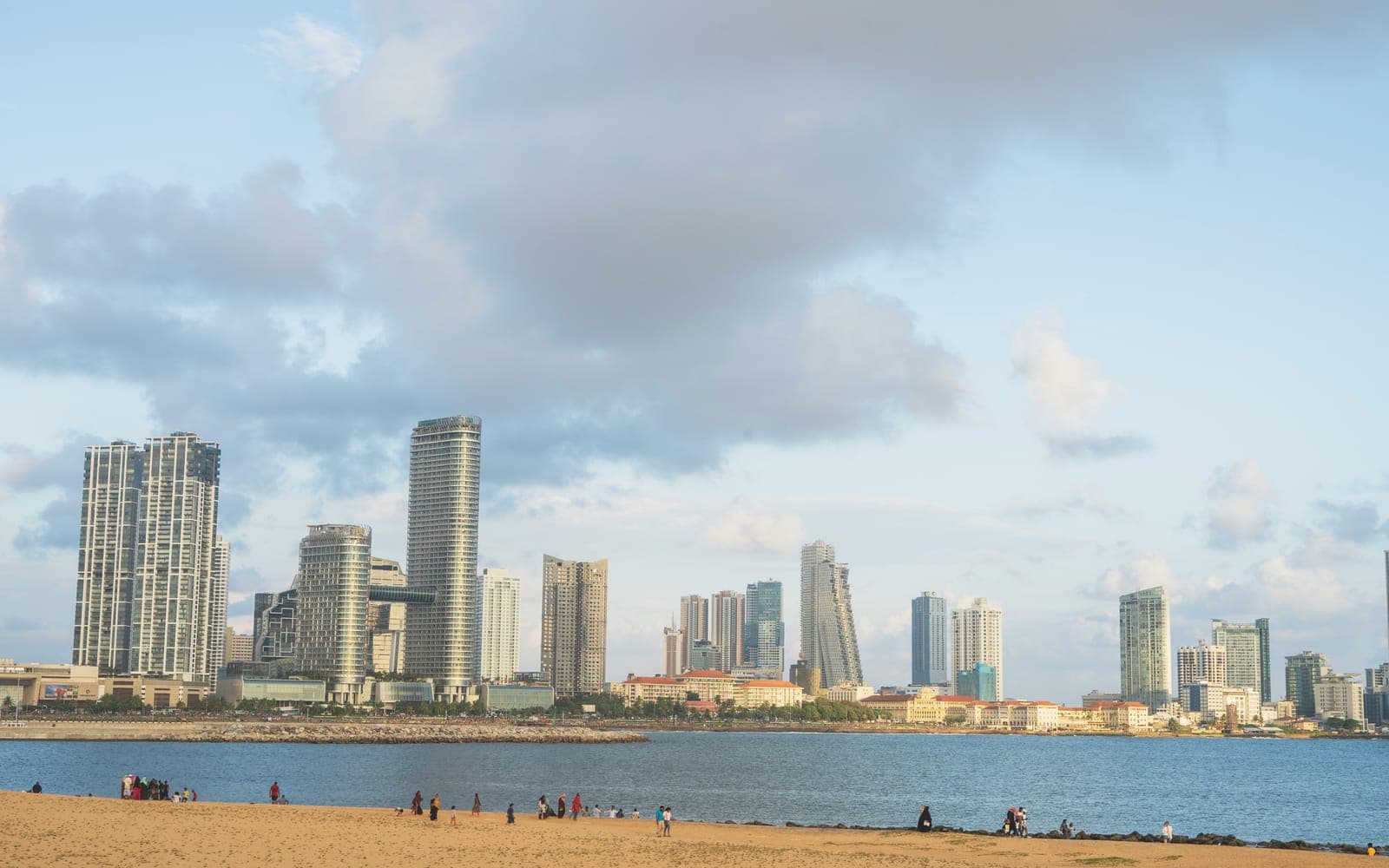
There is no single best place to live in Colombo. The useful question is which part of the city fits the journeys you make every week, the kind of home you want, and how much traffic you are willing to build into your day.
Colombo postal numbers describe the municipal city; many places commonly described as “Colombo” sit outside that boundary. That distinction matters less to daily life than access, but it matters when you compare addresses and travel times.
Colombo 1, 2 and 3 — closest to the commercial centre
Fort, Slave Island and Kollupitiya put offices, hotels, seafront development and major shopping within easy reach. Housing is weighted toward apartments, including newer towers, rather than detached homes.
Choose this side of the city if a central commute and apartment facilities matter more than quiet streets or a garden. Check building service charges, parking, backup power and the actual walking route: a destination can be physically close while a major road makes the walk unpleasant.
Colombo 4 — Bambalapitiya
Bambalapitiya is dense, established and practical. The coastal railway, Galle Road, schools, shops and restaurants are close together, with a mixture of apartments and older houses.
It suits somebody who wants a central address without living in the commercial core. Traffic and railway noise vary sharply by street, so the exact building matters more than the neighbourhood label.
Colombo 5 — Havelock Town and Narahenpita
Colombo 5 has a more residential character while remaining close to the centre. Apartments, houses and quieter lanes sit alongside hospitals, schools and busy connecting roads.
It is often a sensible compromise for households that need access to several parts of the city rather than one office district. Test the route at peak time; junctions that look minor on a map can dominate the commute.
Colombo 6 — Wellawatte
Wellawatte is busy, compact and strongly connected to the Tamil life of the city, with South Indian restaurants, Hindu temples, shops, apartments and the coastal rail line.
It works well for people who value convenience and public transport. As in Bambalapitiya, check noise, parking and the condition of older apartment buildings carefully.
Colombo 7 — Cinnamon Gardens
Cinnamon Gardens is the green, low-density part of central Colombo: embassies, museums, schools, older houses and broad streets around Independence Square and Viharamahadevi Park.
It offers space and a quieter setting close to the centre, but the supply and style of housing differ from the apartment-heavy areas along Galle Road. Do not assume every address has the same walkability; the neighbourhood is spread out.
Rajagiriya and Battaramulla — east of the centre
These areas sit outside Colombo municipality but are part of the daily metropolitan city. They offer apartments, houses, government offices and newer residential development, with easier access to parts of greater Colombo east of the centre.
They can be excellent when work or school is nearby. They can be frustrating when every daily journey crosses the most congested approaches to central Colombo. Choose them because they fit your routine, not merely because a listing describes them as “ten minutes from Colombo”.
Dehiwala and Mount Lavinia — south along the coast
South of Colombo, Dehiwala and Mount Lavinia combine apartments and houses with the coastal railway, Galle Road and access to the sea. Mount Lavinia has a more recognisable beach-town identity; Dehiwala is denser and highly practical.
These areas suit people whose work and social life are on the southern side of the city. A daily commute to Fort can still be manageable, but it should be tested rather than estimated.
How to narrow the choice
Make a shortlist using four filters:
- Your peak-hour journey. Test it on the correct weekday and at the correct time.
- Housing type. Decide whether you value apartment security and facilities or the independence and maintenance responsibility of a house.
- Flood and access risk. Conditions can change from one street to the next.
- Daily errands. Groceries, school, healthcare and public transport matter more after month three than a fashionable neighbourhood name.
Then use the Sri Lanka rental checklist at each viewing and compare current property in Colombo. The right area is the one that makes an ordinary Tuesday easier.